
Can a fundus examination help detect eye diseases before symptoms become noticeable?
Many eye diseases develop gradually without causing noticeable symptoms in their early stages. A person may have changes in the retina or optic nerve without experiencing blurred vision, pain, or discomfort. A Fundus Examination Doctor in Indirapuram can help identify these changes through a detailed examination of the back of the eye. Early detection allows patients to seek timely medical advice and reduce the risk of preventable vision problems.
At Balaji Medivision Clinic, regular eye examinations are considered an important part of maintaining healthy vision. A fundus examination helps doctors assess the retina, optic disc, blood vessels, and other important structures inside the eye. It can also reveal signs of certain health conditions that affect eye health.
Want to talk directly with us on Click Now Whatsapp
What Is a Fundus Examination?
A fundus examination is an eye test that allows a doctor to examine the inside back portion of the eye. This area, known as the fundus, includes the retina, optic nerve, macula, and retinal blood vessels.
The examination helps identify abnormalities that may affect vision. It is commonly recommended during routine eye check-ups, especially for people with diabetes, high blood pressure, or a family history of certain eye diseases.
A Fundus Examination Doctor in Indirapuram can assess these structures and recommend further tests if any unusual changes are noticed.
Can a Fundus Examination Detect Eye Diseases Early?
Yes. A fundus examination can help detect several eye conditions before noticeable vision changes develop. Many retinal and optic nerve diseases progress silently. Therefore, regular eye assessments are important even when vision seems normal.
Some conditions that may be identified include:
- Diabetic Retinopathy: High blood sugar can damage the tiny blood vessels in the retina. Early changes may occur before a person notices vision problems.
- Glaucoma: Examination of the optic nerve may reveal signs of damage associated with glaucoma. Additional tests are needed to confirm the diagnosis.
- Age-Related Macular Degeneration: Changes in the macula may indicate early signs of this condition, which affects central vision.
- Retinal Vein Occlusion: Blocked retinal blood vessels can cause bleeding and swelling that may be visible during examination.
- Hypertensive Retinopathy: High blood pressure can affect retinal blood vessels and produce visible changes.
Dr. Balaji Medivision Clinic emphasizes the importance of routine eye assessments because early detection can help patients receive appropriate care before significant vision loss occurs.
How Is a Fundus Examination Performed?
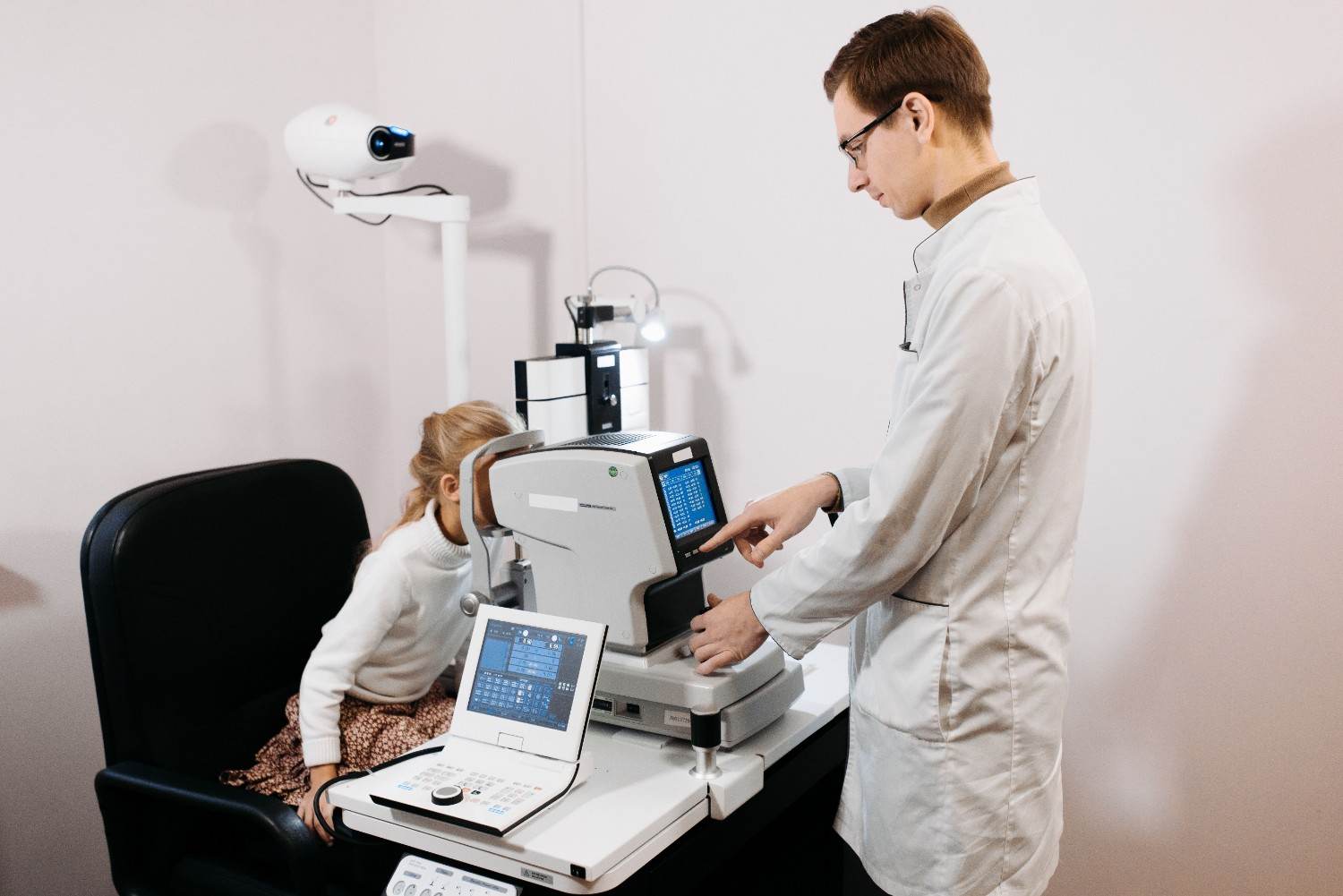
A fundus examination is generally simple and does not require surgery. The procedure usually takes only a short time.
The process may involve the following steps:
- Initial Eye Assessment: The doctor reviews your medical history, vision concerns, and existing health conditions.
- Pupil Dilation: Eye drops may be used to widen the pupils. This allows a clearer view of the retina and optic nerve.
- Examination of the Retina: The doctor uses a specialised instrument or retinal imaging equipment to examine the back of the eye.
- Image Review: If digital retinal photography is performed, the images can help document findings and monitor changes over time.
- Medical Advice: Based on the findings, the doctor may recommend additional investigations, treatment, or routine follow-up.
A Fundus Examination Doctor in Indirapuram can explain the findings and guide patients about the next steps.
Who Should Get a Fundus Examination?
Although anyone can benefit from regular eye check-ups, certain individuals may need more frequent retinal assessments.
These include:
- People living with diabetes.
- Individuals with high blood pressure.
- Adults above 40 years of age.
- People with a family history of glaucoma or retinal diseases.
- Patients experiencing unexplained vision changes.
- Individuals with existing retinal or optic nerve conditions.
People with diabetes should follow their doctor’s recommended retinal screening schedule, even if their eyesight appears normal. Early diabetic retinal changes may not cause noticeable symptoms.
Benefits of Regular Fundus Examination
A fundus examination offers several benefits for long-term eye health.
Early Disease Detection: It helps identify retinal and optic nerve abnormalities before symptoms become severe.
Monitoring Existing Conditions: Patients with diabetes or other health concerns can undergo regular assessments to monitor retinal changes.
Better Treatment Planning: Early findings help doctors decide whether additional investigations, treatment, or follow-up is needed.
Protection of Vision: Timely diagnosis and appropriate treatment can reduce the risk of serious complications from certain eye diseases.
Consulting a Fundus Examination Doctor in Indirapuram can help individuals understand their eye health and take preventive steps when needed.
Why Should You Not Ignore Regular Eye Check-Ups?
Many people visit an eye specialist only when they experience blurred vision, irritation, or discomfort. However, some eye diseases do not produce early warning signs.
Waiting until symptoms appear may delay diagnosis. Regular examinations can help identify problems at an earlier stage, particularly among people with diabetes, hypertension, or a family history of eye conditions.
Balaji Medivision Clinic encourages patients to include routine eye assessments in their healthcare schedule. A comprehensive examination can help identify concerns that may otherwise remain unnoticed.
Conclusion
A fundus examination plays an important role in detecting eye diseases before noticeable symptoms develop. By examining the retina, optic nerve, and retinal blood vessels, doctors can identify early changes associated with conditions such as diabetic retinopathy, glaucoma, and macular degeneration.
Consulting a Fundus Examination Doctor in Indirapuram can help patients receive appropriate eye assessments and timely medical guidance. Balaji Medivision Clinic encourages regular eye check-ups because protecting vision starts with early detection, proper monitoring, and informed eye care.
FAQs
Is a fundus examination painful?
No. It is generally painless. Eye drops may be used to dilate the pupils for a better view of the retina.
Can a fundus examination detect diabetic retinopathy?
Yes. It can help identify early retinal changes caused by diabetes, even before vision problems develop.
How often should I get a fundus examination?
The frequency depends on your age, medical history, and eye health. People with diabetes may need regular retinal screening.
Is a fundus examination necessary if my vision is normal?
Yes. Some eye diseases develop without early symptoms. Regular examinations can help detect hidden problems.
Visit us at: https://share.google/djhSiuuRPKdeI6F6m