How Does the Best General Physician in Kaushambi Diagnose Common Illnesses?
When health concerns appear, timely and accurate diagnosis becomes the foundation of effective treatment. The Best General Physician In Kaushambi plays a vital role in identifying common illnesses early and guiding patients toward the right care path. Instead of relying on guesswork, a structured, patient-centric diagnostic approach is followed to ensure clarity, safety, and confidence.
At Balaji MediVision, diagnosis goes beyond treating symptoms. It focuses on understanding the complete health picture so that long-term wellbeing can be protected.
Understanding the Role of a General Physician in Primary Diagnosis
A general physician acts as the first point of medical contact. Therefore, broad medical knowledge and sharp clinical judgment remain essential. Common conditions such as fever, infections, diabetes, hypertension, stomach disorders, and respiratory problems are handled daily.
Moreover, early diagnosis helps prevent complications. When warning signs are identified promptly, treatment outcomes improve significantly.
Want to talk directly with us on Click Now Whatsapp
Initial Patient Interaction: The First Diagnostic Step
The diagnostic process begins with a detailed patient interaction. Although it may appear simple, this step carries immense importance.
Detailed Medical History Evaluation
First, the physician listens carefully to the patient’s concerns. Symptoms, duration, lifestyle habits, past illnesses, and family history are discussed in detail. As a result, patterns often emerge that guide the next steps.
Furthermore, accurate history-taking helps rule out unnecessary tests, saving both time and effort.
Understanding Lifestyle and Daily Habits
Lifestyle factors such as diet, stress levels, sleep patterns, and physical activity are evaluated. Many common illnesses, including acidity, fatigue, and blood pressure issues, have strong lifestyle links. Therefore, these aspects cannot be ignored.
Physical Examination: Clinical Clues Through Observation
After the discussion, a thorough physical examination is performed. This stage provides visible and measurable clues about the patient’s condition.
Vital Signs Assessment
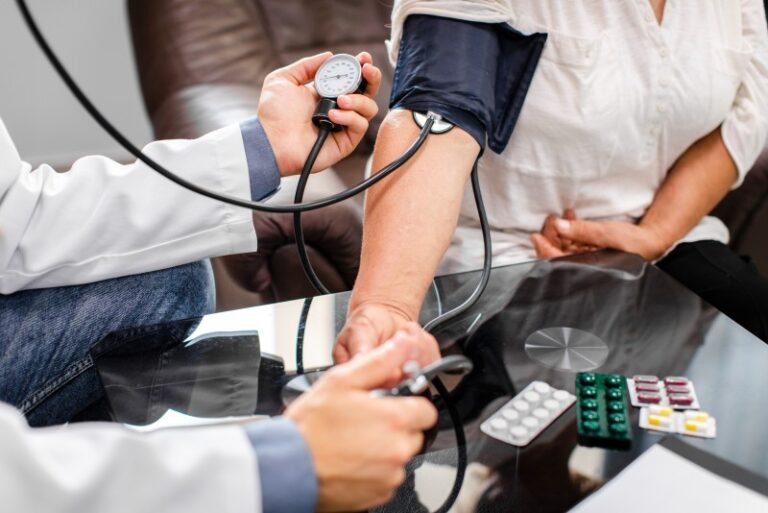
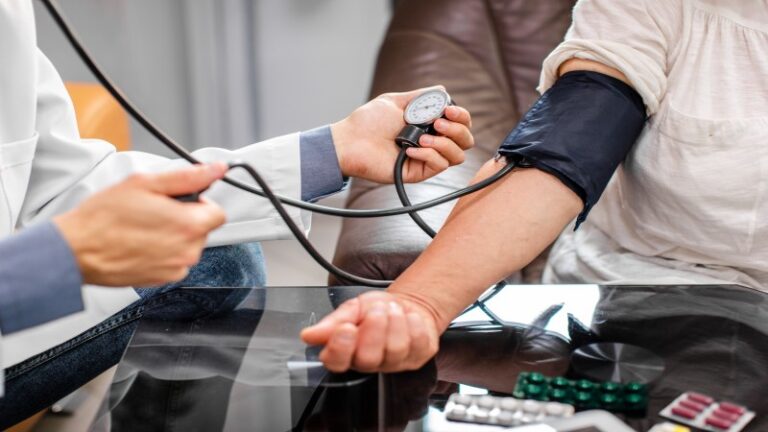
Blood pressure, heart rate, temperature, and oxygen levels are checked routinely. These readings immediately indicate whether the body functions normally.
For example, persistent fever or irregular pulse often signals infection or systemic illness. Hence, early attention becomes crucial.
Targeted System Examination
Depending on symptoms, specific systems such as respiratory, digestive, or neurological are examined. Instead of random checks, a focused approach is used to narrow down possible causes.
Diagnostic Testing: Confirming the Clinical Suspicion
Although many conditions can be identified clinically, tests are recommended when confirmation is needed.
Laboratory Investigations for Accuracy
Blood tests, urine tests, and stool examinations help identify infections, metabolic disorders, and deficiencies. Therefore, treatment plans become more precise.
Importantly, tests are advised only when necessary. This balanced approach reflects the expertise of the Best General Physician In Kaushambi, where patient comfort and accuracy remain priorities.
Imaging and Advanced Diagnostics
When required, X-rays, ultrasounds, or ECGs are suggested. These tools provide internal insights that cannot be obtained through examination alone. As a result, conditions such as lung infections or heart issues are diagnosed with confidence.
Symptom Correlation and Differential Diagnosis
Diagnosis rarely depends on a single symptom. Instead, multiple findings are correlated.
Eliminating Similar Conditions
Many illnesses share common symptoms. For instance, viral fever and bacterial infection may appear similar initially. However, by analyzing symptom progression and test results, the correct diagnosis is identified.
Therefore, unnecessary antibiotic use is avoided, which supports safer healthcare practices.
Patient Communication: Explaining the Diagnosis Clearly
A correct diagnosis loses value if the patient does not understand it. Hence, clear communication remains a core part of the process.
Educating Patients About Their Condition
Medical terms are explained in simple language. Patients are informed about causes, treatment options, and recovery timelines. Consequently, anxiety reduces and cooperation improves.
Moreover, informed patients tend to follow treatment plans more effectively.
Personalized Treatment Planning After Diagnosis
Once the illness is diagnosed, a personalized treatment plan is created.
Medication and Lifestyle Guidance
Medications are prescribed based on diagnosis, age, and overall health. Alongside medicines, lifestyle advice is shared to support faster recovery.
For example, dietary changes may be advised for acidity or diabetes, while rest and hydration support viral recovery.
Monitoring and Follow-Up Strategy
Follow-up visits are scheduled when needed. Progress is monitored, and treatment adjustments are made accordingly. Therefore, complications are prevented before they arise.
Preventive Diagnosis: Identifying Risks Before Illness Strikes
The Best General Physician In Kaushambi also focuses on preventive healthcare. Regular check-ups help detect early signs of chronic conditions.
Routine Health Screenings
Blood sugar, cholesterol, and blood pressure checks are recommended based on age and risk factors. Early detection allows timely intervention.
Thus, long-term health outcomes improve significantly.
Why Choosing the Right General Physician Matters
Accurate diagnosis depends not only on tests but also on experience, observation, and patient trust. At Balaji MediVision, a comprehensive approach ensures that no detail is overlooked.
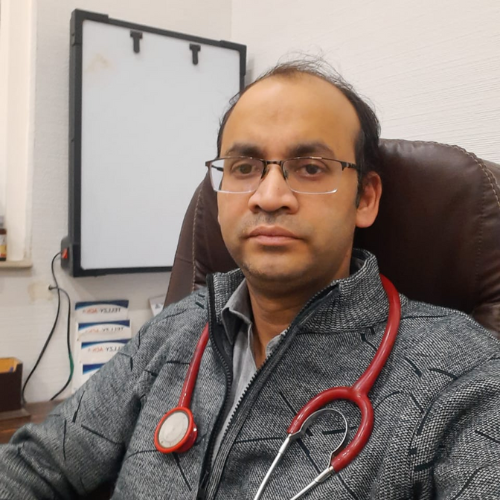
With professional expertise and patient-focused care, Dr. Amit Singh Pawaiya emphasizes clarity, accuracy, and ethical medical practice. As a result, patients receive care that supports both immediate relief and long-term wellness.
Final Thoughts
Diagnosing common illnesses requires a balance of medical knowledge, careful listening, and structured evaluation. The Best General Physician In Kaushambi follows a systematic diagnostic approach that prioritizes patient safety and accuracy at every step.
If symptoms persist or health concerns arise, early consultation makes a significant difference. Through timely diagnosis and personalized care, better health outcomes can always be achieved.