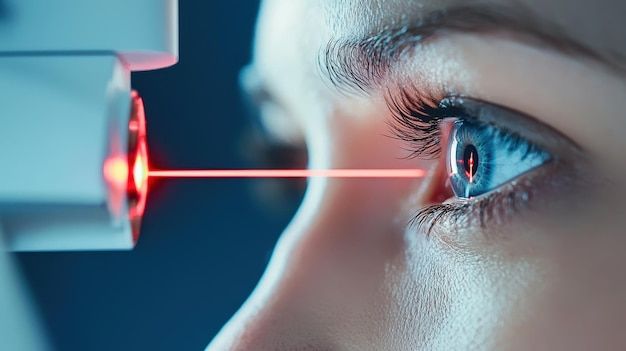

What Are the Most Common Eye Problems That an Ophthalmologist Treats?
Your eyes play an important role in how you experience the world, so changes in vision or eye comfort should not be ignored. From simple refractive errors to conditions that need medical or surgical care, an ophthalmologist can diagnose and manage many different eye problems. If you are searching for the Best Ophthalmologist in Vaishali, understanding the common conditions treated by an eye specialist can help you decide when professional care may be needed.
At Balaji Medivision Clinic, eye care focuses on identifying the underlying cause of symptoms and recommending appropriate management based on the individual patient’s needs.
Want to talk directly with us on Click Now Whatsapp
What Does an Ophthalmologist Treat?
An ophthalmologist is a medical eye specialist who can evaluate vision problems, diagnose eye diseases, provide medical treatment, and perform eye surgery when required. Regular eye examinations can also help identify certain problems before noticeable vision changes occur.
Refractive Errors
Refractive errors are among the most common reasons people experience blurred vision. They include myopia (short-sightedness), hyperopia (long-sightedness), astigmatism, and presbyopia.
Symptoms may include difficulty seeing distant or nearby objects, eye strain, headaches, or trouble focusing. Depending on the condition, an ophthalmologist may recommend prescription glasses, contact lenses, or other suitable options.
If you need an accurate eye examination and vision assessment, consulting the Best Ophthalmologist in Vaishali can help identify the specific type of refractive error.
Cataracts
A cataract develops when the normally clear lens inside the eye becomes cloudy. It can gradually affect vision and may make everyday activities such as reading, driving, or recognising faces more difficult.
Common symptoms include blurred vision, increased sensitivity to light, difficulty seeing at night, and faded-looking colours. When a cataract significantly affects vision, an ophthalmologist may discuss cataract surgery and appropriate lens options.
Glaucoma
Glaucoma refers to a group of eye conditions that can damage the optic nerve. In many cases, it may develop without obvious symptoms during its early stages.
Eye pressure measurement, optic nerve evaluation, and other examinations may be used as part of a glaucoma assessment. Early detection is important because appropriate treatment can help manage the condition and protect remaining vision.
A qualified eye specialist can determine which tests and treatment approach are appropriate for each patient.
Dry Eye Disease
Dry eyes can occur when the eyes do not produce enough tears or when tears evaporate too quickly. People may experience burning, irritation, redness, watering, or a gritty sensation.
Long periods of screen use, environmental factors, contact lenses, certain medications, and other factors may contribute to dry-eye symptoms. Treatment depends on the underlying cause and may include lifestyle changes, lubricating eye drops, or other medical measures recommended by an ophthalmologist.
Eye Infections and Inflammation
Eye infections can affect different parts of the eye and may cause redness, discharge, swelling, irritation, or discomfort. Conjunctivitis is one common example.
Not every red or irritated eye has the same cause. Therefore, self-medication may not always be appropriate. An ophthalmologist can examine the eye and determine whether the problem is infectious, allergic, inflammatory, or related to another condition.
At Balaji Medivision Clinic, an eye examination can help identify the cause of persistent or concerning symptoms before suitable treatment is recommended.
Other Eye Problems an Ophthalmologist May Manage
Eye specialists also evaluate and treat several other conditions, depending on the patient’s age, symptoms, and medical history. These may include:
- Diabetic eye problems, including diabetic retinopathy
- Age-related changes in vision
- Retinal disorders
- Macular conditions
- Corneal problems
- Eye allergies
- Squint and certain eye-movement disorders
- Eyelid and tear-duct conditions
- Vision problems in children
Some eye conditions may require regular monitoring, while others may need medication, corrective lenses, laser procedures, or surgery.
When Should You See an Ophthalmologist?
You should consider an eye examination if you notice persistent blurred vision, frequent headaches associated with vision, difficulty seeing at night, recurring eye discomfort, unexplained redness, flashes of light, new floaters, or other unusual changes.
Sudden loss of vision, severe eye pain, significant eye injury, or sudden changes in vision require prompt medical attention.
Routine eye examinations can also be useful even when you do not have obvious symptoms. The appropriate frequency depends on factors such as age, existing eye conditions, general health, family history, and individual risk factors.
Choosing the Right Eye Specialist
When looking for the Best Ophthalmologist in Vaishali, consider whether the clinic provides appropriate eye examinations and treatment for your particular concern. A good consultation should begin with a proper assessment rather than assuming that every vision problem has the same cause.
At Balaji Medivision Clinic, patients can discuss their symptoms and undergo an eye evaluation to understand the nature of their eye problem and the next steps in care.
Frequently Asked Questions
What are the most common problems treated by an ophthalmologist?
Common problems include refractive errors, cataracts, glaucoma, dry eye disease, eye infections, allergies, retinal conditions, and other disorders affecting vision or eye health.
Should I visit an ophthalmologist for blurred vision?
Yes. Persistent or unexplained blurred vision should be evaluated by an eye specialist. The cause may be a refractive error, cataract, dry eye, retinal problem, or another condition.
Can an ophthalmologist treat cataracts?
Yes. An ophthalmologist can assess cataracts and determine when treatment may be needed. If surgery is appropriate, the specialist can discuss the procedure and available options.
How often should I have an eye examination?
There is no single schedule suitable for everyone. The recommended frequency depends on your age, symptoms, eye health, medical history, and risk factors. Your ophthalmologist can advise you based on your individual needs.
When is an eye problem an emergency?
Sudden vision loss, severe eye pain, a serious eye injury, or sudden flashes and a large number of new floaters can require urgent assessment. Seek prompt medical attention rather than waiting for symptoms to resolve on their own.
Conclusion
Ophthalmologists manage a wide range of eye conditions, from common refractive errors and dry eyes to cataracts, glaucoma, retinal disorders, and other problems that can affect vision. Recognising persistent or unusual symptoms and getting an appropriate eye examination can help you understand what is happening and whether treatment is needed.
If you are searching for the Best Ophthalmologist in Vaishali, choose professional eye care that focuses on proper evaluation and an appropriate treatment plan. Balaji Medivision Clinic can be considered when you need an eye consultation for vision concerns or other eye-related symptoms. Regular attention to eye health can help you make informed decisions about your vision and overall eye care.