How Often Should People at Higher Risk of Glaucoma Have Their Eyes Checked?
Glaucoma can develop gradually, and many people may not notice significant vision changes during its early stages. This is why regular eye examinations are especially important for people who have a higher risk of developing the condition. Knowing when to schedule an eye check can help detect changes before they affect everyday vision.
If you are looking for guidance from a Glaucoma Specialist in Indirapuram, Balaji Medivision Clinic can help you understand the importance of regular glaucoma screening and comprehensive eye examinations.
Want to talk directly with us on Click Now Whatsapp
Who May Have a Higher Risk of Glaucoma?
Glaucoma can affect anyone, but certain factors may increase the likelihood of developing it. Understanding these risk factors can help people take eye health more seriously.
People may need closer monitoring if they:
- Have a close family member with glaucoma
- Are older and have age-related risk factors
- Have high eye pressure
- Have certain eye injuries or previous eye conditions
- Have significant short-sightedness or other vision-related risk factors
- Have certain medical conditions that may be associated with glaucoma
- Have previously been diagnosed with glaucoma or elevated eye pressure
A detailed eye examination can help an eye specialist determine how frequently monitoring may be appropriate for an individual.
How Often Should High-Risk People Have an Eye Check?
There is no single examination schedule that applies to everyone at higher risk. The recommended frequency depends on factors such as age, family history, eye pressure, the condition of the optic nerve, and previous examination results.
People With a Strong Family History
A family history of glaucoma can make regular screening particularly important. If a parent, sibling, or another close relative has glaucoma, discuss an appropriate screening schedule with an eye specialist.
Your doctor may recommend examinations at regular intervals even when you currently have no symptoms.
People With Previous Eye Pressure Changes
Elevated intraocular pressure does not automatically mean that a person has glaucoma, but it can be an important risk factor. People with higher-than-normal eye pressure may require closer observation.
An ophthalmologist can monitor eye pressure along with the optic nerve and visual field to identify changes over time.
People Already Diagnosed With Glaucoma
Those who already have glaucoma generally require ongoing follow-up. The frequency of visits depends on the type and severity of glaucoma, treatment being used, and whether the condition is stable.
Some patients may need more frequent appointments when treatment is being started or adjusted.
Why Regular Glaucoma Screening Matters
Glaucoma can damage the optic nerve, which plays an important role in transmitting visual information from the eye to the brain. Damage may progress without obvious warning signs.
A glaucoma evaluation may include several assessments rather than relying on one measurement alone.
Common Tests During an Eye Examination
Depending on the patient’s situation, an eye specialist may recommend:
- Eye pressure measurement
- Examination of the optic nerve
- Visual field testing
- Evaluation of the drainage angle
- Measurement of corneal thickness
- Retinal or optic nerve imaging when appropriate
These tests can provide useful information about the health of the eyes and help the doctor monitor changes over time.
Can You Wait Until Symptoms Appear?
Waiting for symptoms is not always a good approach for people who have glaucoma risk factors. Early glaucoma may not cause noticeable discomfort or obvious changes in daily vision.
By the time a person becomes aware of significant peripheral vision loss, the disease may already have caused optic nerve damage. Regular examinations allow an eye specialist to look for changes that may not be noticeable to the patient.
Balaji Medivision Clinic encourages people with known risk factors to discuss an appropriate eye examination schedule with a qualified eye-care professional rather than relying only on symptoms.
What Happens During a Glaucoma Consultation?
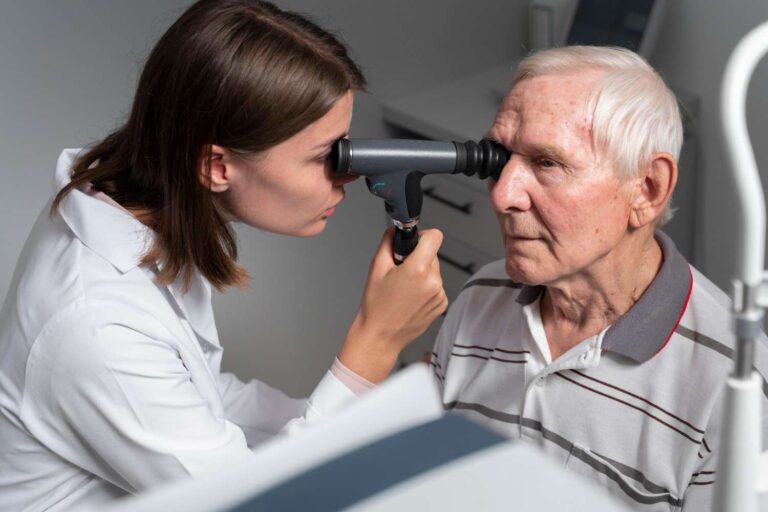
A glaucoma consultation usually begins with a discussion about your eye health, family history, previous eye problems, and any current concerns. The doctor may then perform a detailed examination and recommend specific glaucoma tests.
The results are considered together rather than in isolation. For example, eye pressure is only one part of glaucoma assessment. The condition of the optic nerve, visual field, and other findings may also be important.
A Glaucoma Specialist in Indirapuram can help patients understand their examination results and determine whether further monitoring is needed.
How Can You Prepare for Your Eye Examination?
A little preparation can make your appointment more useful. Before visiting the clinic, consider making a note of:
- Any previous eye diagnoses
- Current medicines or eye drops
- A family history of glaucoma
- Previous eye surgeries or injuries
- Changes in your vision
- Previous eye examination reports, if available
Tell your doctor about any new visual symptoms, even if they appear minor.
Frequently Asked Questions
How often should someone with a family history of glaucoma have an eye test?
The appropriate interval varies from person to person. Someone with a strong family history should discuss a personalized screening schedule with an ophthalmologist, who can consider age, eye pressure, optic nerve appearance, and other risk factors.
Does high eye pressure mean I have glaucoma?
Not necessarily. High intraocular pressure can be a risk factor, but glaucoma diagnosis involves assessing several aspects of eye health. Your eye specialist can determine whether monitoring or treatment is needed.
Can glaucoma be detected before vision problems become noticeable?
Yes. Eye examinations can identify changes associated with glaucoma before a person notices significant vision loss. This is one reason regular screening is important for people at higher risk.
What tests are commonly used to check for glaucoma?
Depending on the individual, an eye examination may include eye pressure measurement, optic nerve assessment, visual field testing, angle evaluation, corneal thickness measurement, and imaging of the optic nerve or retina.
Should people with glaucoma continue regular check-ups after starting treatment?
Yes. Glaucoma treatment usually requires ongoing monitoring. Follow-up appointments help the ophthalmologist assess whether the condition is stable and whether the current treatment remains appropriate.
Conclusion
People at higher risk of glaucoma should not wait for noticeable vision problems before paying attention to their eye health. The right examination schedule depends on individual risk factors and previous eye findings, so regular consultation with an eye specialist is important.
If you are concerned about glaucoma, family history, elevated eye pressure, or changes in your vision, speaking with a Glaucoma Specialist in Indirapuram can help you understand what type of evaluation and follow-up may be appropriate.
Balaji Medivision Clinic can provide information about comprehensive eye examinations and glaucoma evaluation so patients can make informed decisions about their ongoing eye care.