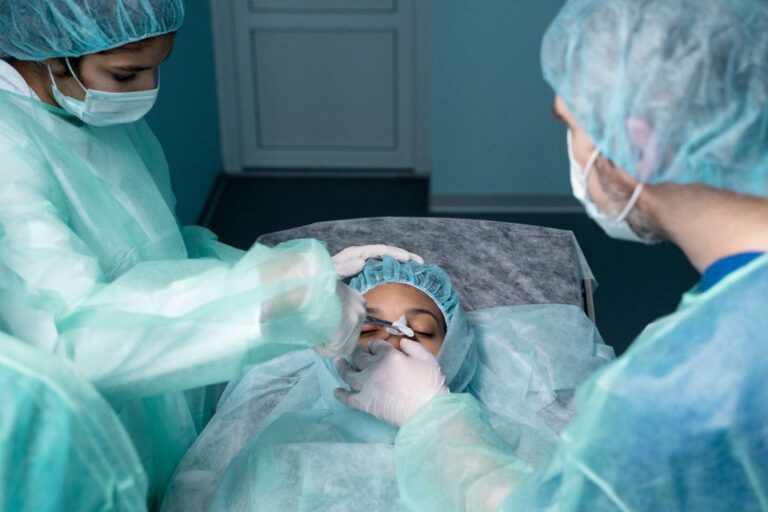

Can an Oculoplasty Doctor Treat Drooping Eyelids (Ptosis)?
Drooping of the upper eyelid can change the appearance of the face and, in some cases, interfere with vision. This condition is commonly known as ptosis. If you notice that one or both eyelids appear lower than usual, an Oculoplasty Doctor in indirapuram can evaluate the condition and determine whether treatment is needed.
At Balaji Medivision Clinic, patients can seek professional evaluation for eyelid-related concerns and understand the possible causes behind changes in eyelid position. The right approach depends on why the eyelid is drooping, how severe it is, and whether it affects vision.
Want to talk directly with us on Click Now Whatsapp
What Is Ptosis?
Ptosis refers to an abnormally low position of the upper eyelid. It may affect one eye or both eyes. Some people have drooping eyelids from childhood, while others develop the condition later in life.
The amount of drooping can vary. In mild cases, the change may mainly affect appearance. More noticeable ptosis can partially cover the pupil and make it harder to see clearly.
An Oculoplasty Doctor in indirapuram can examine the eyelid and surrounding structures to understand the nature of the problem.
What Causes Drooping Eyelids?
There is no single cause of ptosis. Several factors can contribute to a drooping eyelid.
Common Causes
Some possible causes include:
- Changes in the muscles responsible for lifting the eyelid
- Age-related changes in eyelid-supporting tissues
- Problems affecting the nerves that control eyelid movement
- Previous eye or eyelid surgery
- Injury around the eye
- Ptosis that has been present since childhood
- Certain medical or neurological conditions
Because different conditions can produce similar eyelid changes, proper evaluation is important before choosing treatment.
Can an Oculoplasty Doctor Treat Ptosis?
Yes. An Oculoplasty Doctor in indirapuram is trained to assess conditions involving the eyelids, eye socket and surrounding structures. Ptosis is one of the eyelid problems that may require specialized evaluation.
Treatment is not automatically the same for every patient. The doctor first determines what is causing the drooping and whether the condition is affecting vision or daily activities.
Depending on the findings, treatment may involve observation, management of an underlying condition, or an eyelid procedure when appropriate.
At Balaji Medivision Clinic, discussing your symptoms and undergoing an appropriate eye examination can help establish the next step.
How Is Ptosis Diagnosed?
A doctor may begin by asking when the eyelid drooping started and whether it has changed over time. The examination may also look at the position and movement of the eyelids.
What May Be Checked?
The evaluation can include:
- Eyelid position
- Movement of the eyelids
- Function of the eyelid-lifting muscle
- Pupil and eye movements
- Vision
- Differences between the two eyes
- Changes in eyelid position over time
The doctor may also consider your medical and eye history. Additional tests may be recommended when the symptoms suggest that further investigation is necessary.
When Does Ptosis Need Treatment?
Not every case of drooping eyelids requires immediate treatment. The decision depends on the underlying cause and the effect of ptosis on the person.
Treatment may be considered when drooping:
- Interferes with the field of vision
- Causes difficulty performing everyday visual tasks
- Produces significant eyelid asymmetry
- Develops or changes noticeably over time
- Is associated with another condition that requires attention
An Oculoplasty Doctor in indirapuram can explain whether treatment is appropriate after examining the eyelid and understanding the patient’s symptoms.
What Treatment Options Are Available?
Treatment depends largely on the cause and severity of ptosis.
If an underlying medical problem is contributing to eyelid drooping, addressing that condition may be part of the treatment plan. In some cases, an eyelid procedure may be recommended to improve eyelid position.
Ptosis Surgery
When surgery is considered appropriate, the procedure is planned according to the patient’s eyelid condition and muscle function. The goal is generally to improve eyelid position while maintaining a natural appearance and protecting normal eye function.
Patients should discuss the expected benefits, limitations, recovery process and possible risks with their doctor before making a treatment decision.
Balaji Medivision Clinic can help patients understand their eyelid concerns and discuss the appropriate next steps following an examination.
Is Drooping Eyelid Only a Cosmetic Concern?
Not always. Although a drooping eyelid can affect facial appearance, significant ptosis may also obstruct part of the visual field.
A new or rapidly changing drooping eyelid should not simply be considered a cosmetic issue. Professional evaluation is particularly important when eyelid drooping is accompanied by other changes involving vision, eye movement or the pupil.
Seeking advice from an Oculoplasty Doctor in indirapuram can help determine whether the problem is primarily related to the eyelid or whether additional evaluation is required.
Frequently Asked Questions
Can an oculoplasty doctor diagnose ptosis?
Yes. An oculoplasty specialist can examine eyelid position, movement and related eye structures to determine whether the appearance is consistent with ptosis and whether further evaluation is required.
Can ptosis affect vision?
Yes. If the upper eyelid droops enough to cover part of the pupil or visual field, it can interfere with vision. The effect varies depending on the severity and cause.
Does every drooping eyelid require surgery?
No. Treatment depends on the cause, severity and effect of the condition. Some cases may be monitored or managed according to their underlying cause, while others may require a surgical approach.
Can ptosis affect only one eye?
Yes. Ptosis can affect one eye or both eyes. An examination can help identify differences in eyelid position and determine the possible cause.
When should I see an oculoplasty doctor for a drooping eyelid?
Consider seeking an eye evaluation if the drooping is new, worsening, affects vision, or is associated with other changes around the eye. An Oculoplasty Doctor in indirapuram can assess the eyelid and advise whether further testing or treatment is needed.
Conclusion
Drooping eyelids, or ptosis, can have different causes and may affect appearance, vision, or both. Because the appropriate treatment depends on the underlying problem, a proper examination is an important first step.
If you are concerned about a drooping eyelid, consulting an Oculoplasty Doctor in indirapuram can help you understand the condition and available treatment options. Balaji Medivision Clinic can provide an opportunity to discuss your symptoms and receive an appropriate evaluation for eyelid-related concerns.