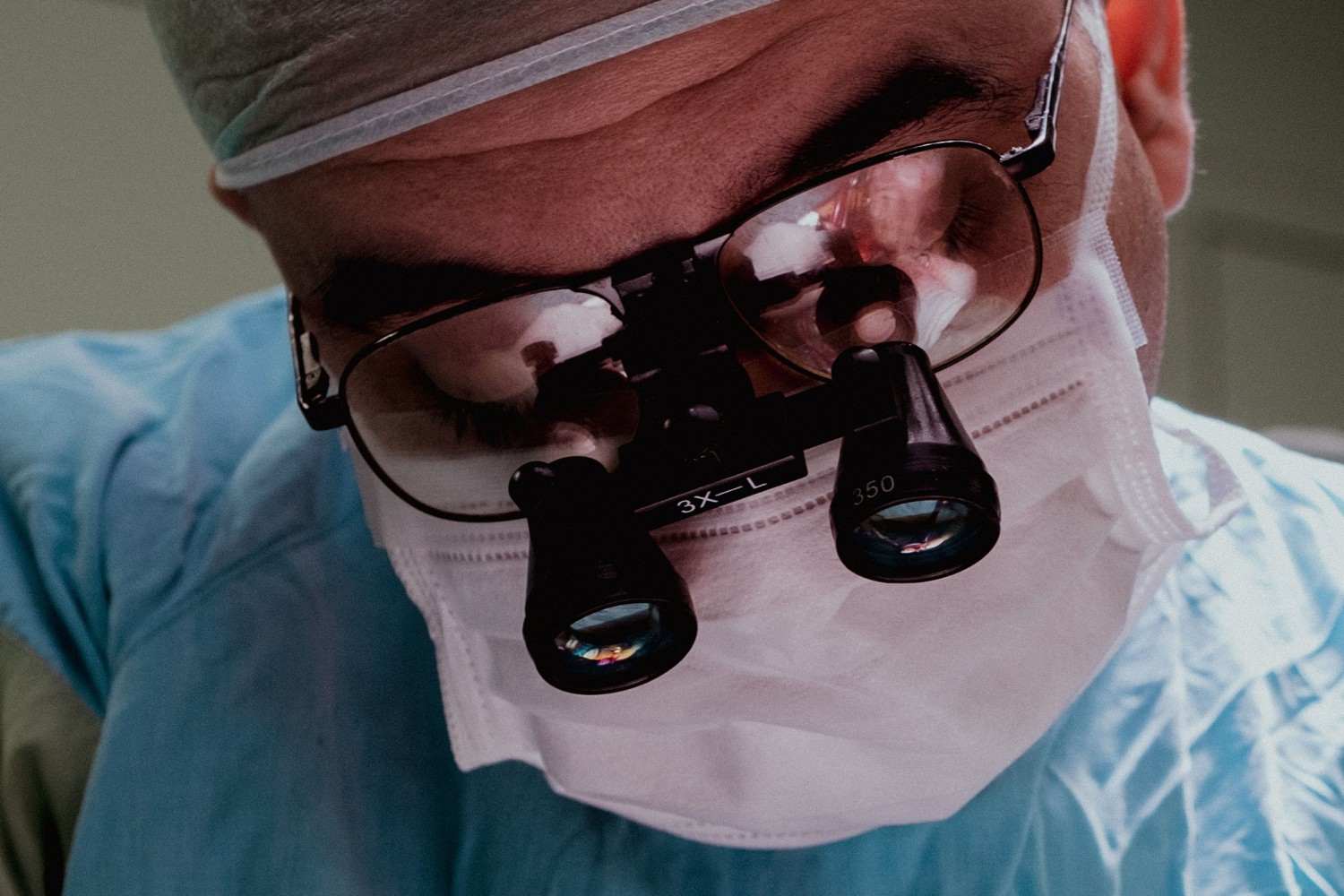
How Can an Eye Surgeon Help Improve Vision and Overall Eye Health?
Healthy eyes are essential for reading, working, driving, and enjoying everyday activities. However, vision problems can develop gradually and may go unnoticed until they begin affecting daily life. Blurred vision, difficulty seeing at night, and increased sensitivity to light are common signs that deserve attention.
Consulting an Eye Surgeon in Indirapuram can help identify the cause of these symptoms and determine the right treatment. Depending on the condition, an eye specialist may recommend glasses, medication, monitoring, or surgery. Balaji Medivision Clinic encourages people to understand their eye health and seek professional guidance when vision changes occur.
Want to talk directly with us on Click Now Whatsapp
What Does an Eye Surgeon Do?
An eye surgeon is an ophthalmologist trained to diagnose and treat eye conditions, including those that require surgery. Their responsibilities may include examining the eyes, identifying diseases, explaining treatment options, and performing suitable surgical procedures.
Not every eye problem requires surgery. Some conditions can be managed with prescription glasses, contact lenses, eye drops, or regular monitoring. The recommended treatment depends on the diagnosis, symptoms, and overall eye health.
At Balaji Medivision Clinic, patients can seek guidance about their eye care concerns and learn why proper evaluation is important before choosing a treatment.
Common Eye Conditions That May Require Surgical Treatment
Cataracts
Cataracts develop when the natural lens inside the eye becomes cloudy. They can cause blurred vision, glare, faded colours, and difficulty seeing clearly in low light.
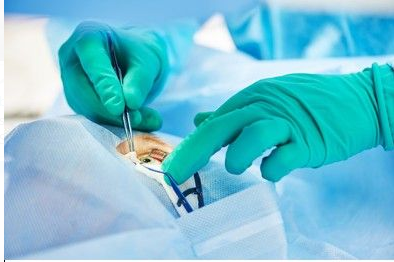
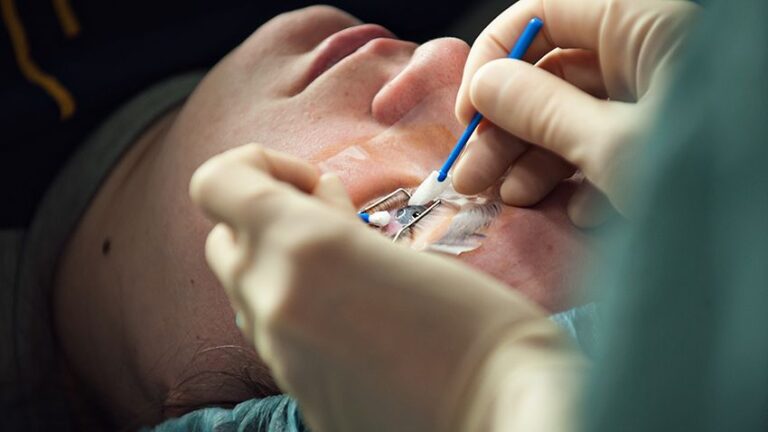
When cataracts begin interfering with everyday activities, an eye surgeon may recommend cataract surgery. The procedure involves removing the cloudy lens and usually replacing it with an artificial intraocular lens.
The need for surgery depends on how much the cataract affects vision and daily activities. An eye examination helps determine the appropriate approach.
Glaucoma
Glaucoma refers to a group of eye conditions that damage the optic nerve. It can cause permanent vision loss, particularly when treatment begins too late. Some forms develop gradually without noticeable early symptoms.
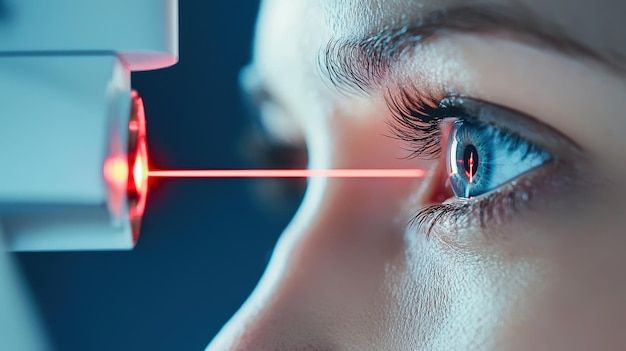
Treatment may include prescription eye drops, laser procedures, or surgery, depending on the condition. Regular examinations help monitor changes and assess whether treatment is working.
Retinal Problems
The retina is the light-sensitive tissue at the back of the eye. Conditions affecting the retina can interfere with vision and sometimes require urgent treatment.
Sudden flashes of light, a sudden increase in floaters, or a curtain-like shadow across the visual field may indicate a serious retinal problem. Seek urgent medical attention if these symptoms occur, as prompt evaluation can help protect vision.
Refractive Errors
Refractive errors occur when light does not focus correctly on the retina. Nearsightedness, farsightedness, and astigmatism are common examples.
Glasses and contact lenses can correct many refractive errors. Some people may qualify for refractive surgery after a detailed assessment. An eye specialist can explain which options are suitable for individual needs.
How Can an Eye Surgeon Improve Vision?
Accurate Diagnosis
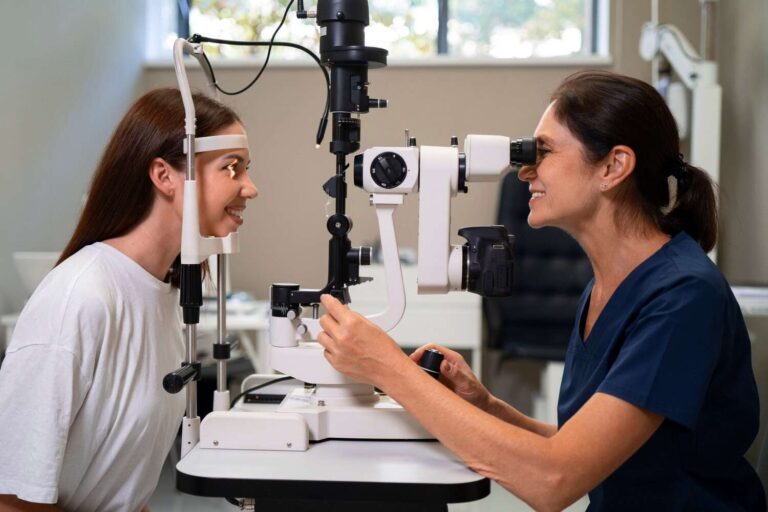
Different eye conditions can cause similar symptoms, so identifying the underlying problem is essential. An eye specialist may assess visual acuity, examine the eye, measure eye pressure, or recommend additional tests.
These examinations help determine whether the problem requires medication, corrective lenses, further investigation, or surgery. An accurate diagnosis also helps patients understand their treatment options.
Personalised Treatment Options
Treatment depends on the type and severity of the eye condition. Early cataracts may require monitoring, while advanced cataracts affecting daily activities may need surgery. Glaucoma treatment aims to control the condition and protect remaining vision.
An Eye Surgeon in Indirapuram can explain the expected benefits, possible risks, and limitations of available treatments. Patients should discuss their medical history and concerns before making treatment decisions.
Guidance During Recovery
Patients undergoing eye surgery may need prescribed eye drops, follow-up appointments, and temporary changes to their daily activities. Following the surgeon’s instructions helps monitor healing and identify possible complications.
If pain, redness, or vision changes become severe or worsen after surgery, seek prompt medical advice.
Simple Ways to Maintain Healthy Eyes
Daily habits can support eye health alongside professional care.
- Schedule eye examinations: Regular check-ups can help identify certain eye conditions before symptoms become noticeable.
- Manage existing health conditions: Diabetes and high blood pressure can affect eye health. Follow your healthcare professional’s advice.
- Take screen breaks: Look away from screens regularly and blink often to reduce digital eye strain.
- Wear protective eyewear: Protect your eyes during activities involving dust, chemicals, or flying particles.
- Avoid self-medication: Use prescription eye drops only under appropriate medical guidance.
- Follow treatment instructions: Take prescribed medicines as directed and attend recommended follow-up appointments.
These habits cannot prevent every eye disease, but they can help you take better care of your vision.
When Should You Consult an Eye Surgeon in Indirapuram?
Seek professional advice if you experience persistent blurred vision, increasing glare, difficulty seeing at night, or recurring eye discomfort. People with diabetes, a family history of eye disease, or an existing eye condition may also need regular examinations.
Sudden vision loss, severe eye pain, serious eye injuries, or new flashes and floaters accompanied by a shadow across the vision require urgent medical attention.
If you are looking for an Eye Surgeon in Indirapuram, Balaji Medivision Clinic can be a starting point for discussing your concerns and understanding suitable eye care options. A proper examination helps determine the next steps based on your condition.
Frequently Asked Questions
Can an eye surgeon improve weak eyesight?
An eye surgeon may improve vision in certain cases, such as cataracts or selected refractive conditions. Results depend on the underlying problem and individual circumstances.
Does blurred vision always require surgery?
No. Blurred vision may result from refractive errors, dry eyes, cataracts, or other conditions. Many causes can be treated without surgery.
Is cataract surgery necessary for everyone?
No. Surgery is generally considered when cataracts significantly affect vision or everyday activities. An eye specialist can advise when treatment may be appropriate.
How can I reduce eye strain from screens?
Take regular breaks, adjust screen brightness, maintain a comfortable viewing distance, and blink frequently. Consult an eye specialist if symptoms persist.
When should I seek urgent eye care?
Seek urgent medical attention for sudden vision loss, severe eye pain, serious eye injuries, or sudden flashes and floaters with a shadow across your vision.
Conclusion
An eye surgeon can help diagnose eye conditions, recommend suitable treatments, and perform surgery when necessary. Early evaluation, regular eye examinations, and appropriate follow-up can help protect vision and support long-term eye health.
For people seeking an Eye Surgeon in Indirapuram, Balaji Medivision Clinic can help them explore their concerns and understand appropriate next steps. Paying attention to vision changes and seeking professional advice can make eye care more effective.
Visit us at: https://share.google/djhSiuuRPKdeI6F6m