
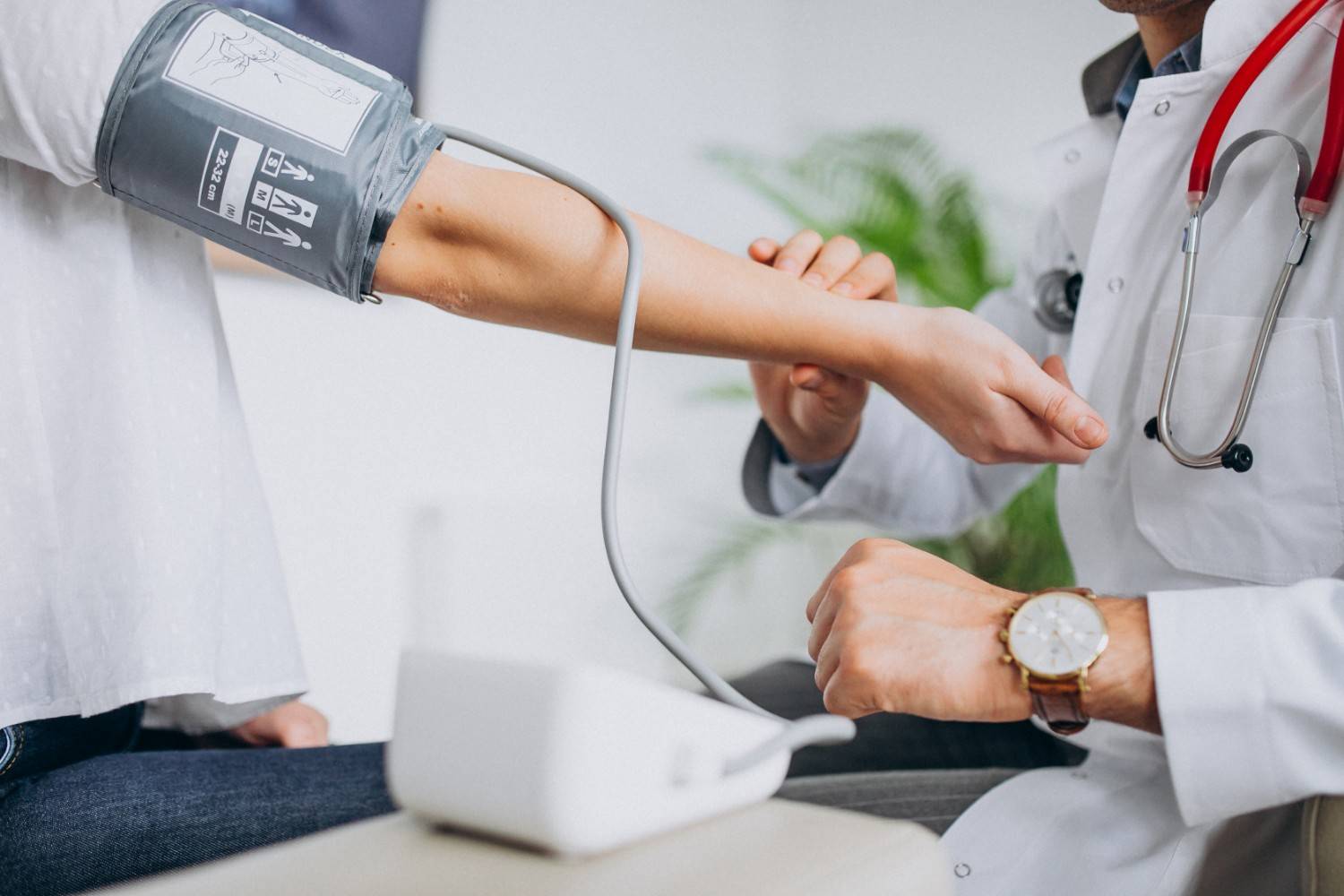
How Often Should You Check Your Blood Pressure If You Have Hypertension?
Living with high blood pressure means paying attention to more than just how you feel. You may feel perfectly fine while your blood pressure remains higher than it should be. That is why regular monitoring matters. If you are looking for a Hypertension Doctor in Vasundhara, understanding when and how to measure your blood pressure is a useful first step towards better heart health.
There is no single monitoring schedule that works for everyone. Some people need daily checks, while others may need fewer measurements once their condition is stable. Your readings, prescribed medicines, and medical history all help determine the right approach.
Want to talk directly with us on Click Now Whatsapp
Why Should People With Hypertension Track Their Readings?
High blood pressure usually does not cause obvious warning signs. However, when it remains uncontrolled, it can put extra strain on the heart, blood vessels, kidneys, and other organs.
Checking your blood pressure at home gives you a clearer picture of how it changes over time. It can also help your doctor understand whether your current treatment is working as expected.
For example, your readings may differ in the morning and evening. They may also change after a medication adjustment or during periods of stress. Recording these patterns can make your medical appointments more productive.
At Balaji Medivision Clinic, patients should discuss their monitoring routine with a healthcare professional rather than relying on occasional readings alone.
How Frequently Should You Measure Your Blood Pressure?
The frequency of monitoring depends on how well your blood pressure is controlled. Your doctor may recommend the following approaches.
After a New Diagnosis
If you have recently learned that you have hypertension, your doctor may ask you to measure your blood pressure at home regularly. For many patients, morning and evening measurements over several days provide useful information.
Take two readings about one minute apart at each session and record the results. This helps your doctor assess your usual blood pressure rather than relying on one isolated measurement.
A Hypertension Doctor in Vasundhara can help you understand these readings and decide whether further evaluation or treatment is needed.
When Your Blood Pressure Is Stable
If your readings have remained within your recommended range, you may not need to measure them several times every day. However, occasional home checks and scheduled medical reviews remain important.
Do not assume that your hypertension has disappeared simply because your numbers have improved. Your medication and lifestyle changes may be helping to keep it under control.
Ask your doctor how often you should check your blood pressure based on your individual risk factors.
After Changing Your Medication
Starting a new medicine or changing an existing dose can affect your readings. Your doctor may recommend more frequent measurements during this period to assess your response.
Keep taking your medication as prescribed. If you notice consistently unusual readings or possible side effects, contact your healthcare professional instead of adjusting the dose yourself.
When Your Readings Keep Changing
Blood pressure can fluctuate throughout the day. However, repeated readings above your recommended target deserve attention.
Your doctor may ask you to maintain a detailed record or recommend 24-hour ambulatory blood pressure monitoring. This test measures blood pressure at regular intervals throughout the day and night.
People with diabetes, kidney disease, or other cardiovascular risk factors may require a more individualised monitoring plan.
How to Get Reliable Readings at Home
A blood pressure monitor is useful only when it is used correctly. Small mistakes can affect the result and may cause unnecessary concern.
Follow these practical steps before measuring:
- Avoid smoking, caffeine, and exercise for at least 30 minutes beforehand.
- Empty your bladder and sit quietly for five minutes.
- Sit with your back supported and your feet flat on the floor.
- Keep your arm resting on a table at heart level.
- Use a correctly sized cuff on your bare upper arm.
- Remain quiet during the measurement.
- Take two readings one minute apart and write down both results.
Measure at similar times each day when possible. Bring your monitor and written readings to appointments so your doctor can review them.
Understanding Your Blood Pressure Numbers
A blood pressure reading has two numbers, such as 120/80 mmHg. The first measures pressure when the heart beats, while the second measures pressure between heartbeats.
For most adults, readings below 120/80 mmHg are considered normal. Higher readings may indicate elevated blood pressure or hypertension, depending on the numbers and the clinical guidelines being used.
Your personal treatment target may differ because of your age, medical history, and other health conditions. Therefore, avoid judging your health by one measurement alone.
If your blood pressure is above 180/120 mmHg, wait at least one minute and check it again. If it remains that high, seek immediate medical advice. If you experience chest pain, shortness of breath, weakness, changes in vision, or difficulty speaking, seek emergency medical care immediately.
Everyday Habits That Support Better Blood Pressure Control
Monitoring is important, but your daily routine also plays a role in managing hypertension. You do not need to change everything overnight. Start with manageable habits and build consistency.
Choose balanced meals. Include vegetables, fruits, whole grains, and other nutritious foods. Reduce excess salt and limit highly processed meals.
Make movement part of your day. Walking and other suitable physical activities can support cardiovascular health. Ask your doctor what level of exercise is appropriate for you.
Protect your sleep. Poor sleep can affect overall health and may make blood pressure harder to manage.
Find ways to manage stress. Regular breaks, relaxation exercises, and a consistent routine may help you cope with daily pressures.
Follow your prescription. Take medicines as directed, even when you feel well. Never stop treatment without discussing it with your doctor.
These habits work best alongside professional care. A Hypertension Doctor in Vasundhara can help you understand which changes may be most beneficial for your circumstances.
When Is It Time to Seek Medical Advice?
Do not wait for symptoms before discussing repeatedly high readings with your doctor. Arrange a consultation if your numbers remain above your recommended range, your medication causes unwanted effects, or you are unsure whether your home measurements are accurate.
You should also seek advice if your readings change noticeably over several days. Your doctor can review your records and determine whether further tests or treatment adjustments are appropriate.
Balaji Medivision Clinic encourages patients to treat blood pressure monitoring as an ongoing part of preventive healthcare, not just something to do when they feel unwell.
Conclusion
Managing hypertension becomes easier when you understand your readings and know when to check them. Regular home measurements can help reveal patterns, assess treatment response, and support better conversations with your doctor.
Your ideal schedule depends on how well your blood pressure is controlled and whether your treatment has recently changed. If you need help developing a suitable routine, consult a Hypertension Doctor in Vasundhara. With consistent monitoring, prescribed treatment, and sensible lifestyle choices, you can take practical steps towards protecting your long-term health.
Frequently Asked Questions
Is checking blood pressure once a week enough?
It depends on your condition. Ask your doctor whether weekly checks are suitable for you.
Should I measure blood pressure before taking medicine?
Your doctor may recommend this to assess your readings before medication. Follow the schedule they provide.
Can stress affect blood pressure readings?
Yes. Stress can temporarily raise blood pressure, so rest quietly before measuring.
Should I stop checking when my readings become normal?
No. Continue monitoring as advised, and never stop prescribed medication without medical guidance.
Visit us at: https://share.google/djhSiuuRPKdeI6F6m