Can a Fundus Eye Examination Help Detect Diabetic Eye Problems Early?
Diabetes can affect more than blood sugar levels. Over time, high blood sugar may affect the small blood vessels that supply the retina, the light-sensitive tissue at the back of the eye. These changes can sometimes develop without noticeable symptoms in the early stages. This is why regular eye examinations are important for people living with diabetes.
A Fundus Eye Examination in Vaishali allows an eye specialist to examine the back of the eye, including the retina and blood vessels. At Balaji Medivision Clinic, patients can discuss their eye concerns and understand whether a detailed retinal examination may be appropriate for them.
Want to talk directly with us on Click Now Whatsapp
What Is a Fundus Eye Examination?
A fundus eye examination is an eye test that allows the doctor to look at structures at the back of the eye. These include the retina, optic disc and retinal blood vessels.
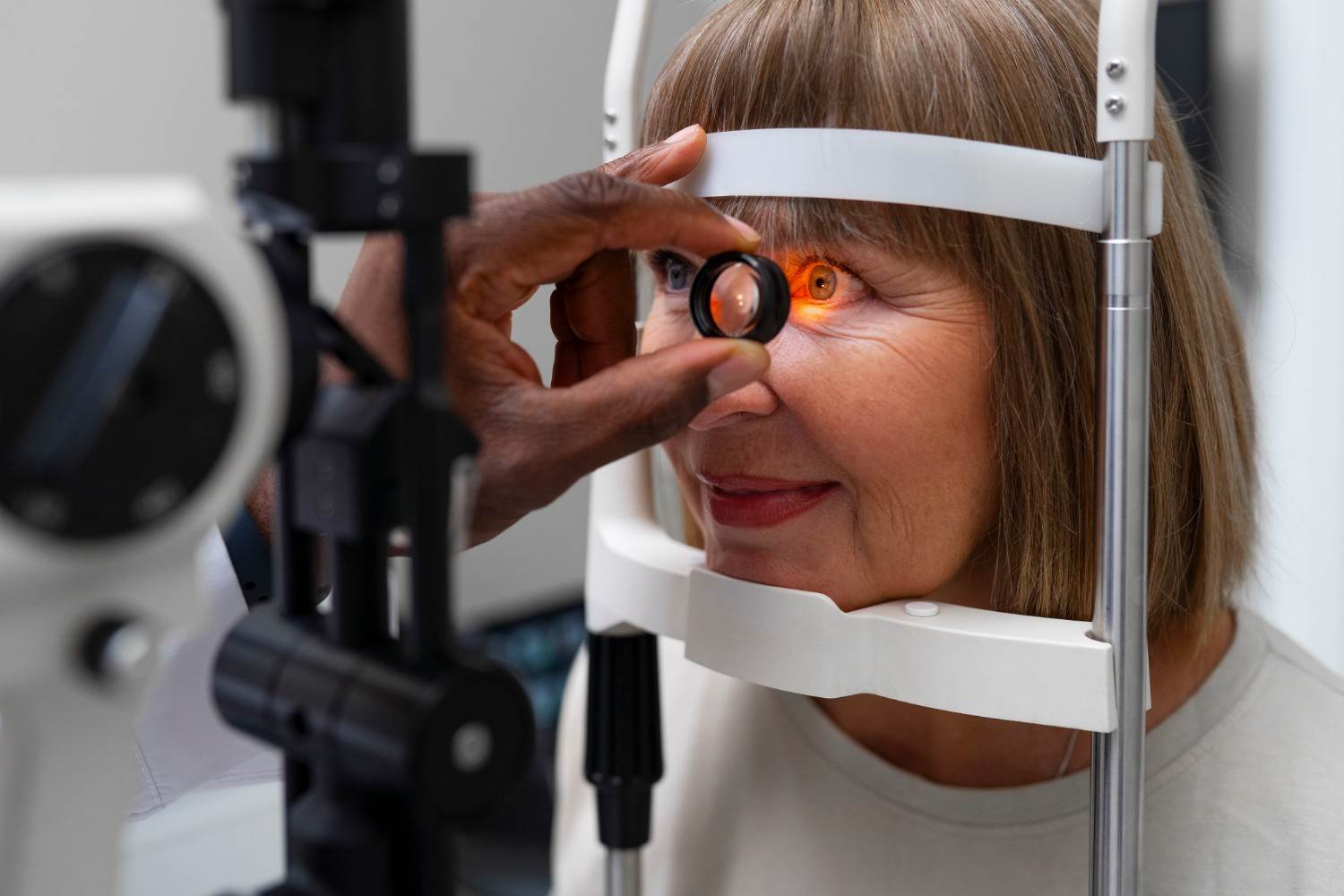
Depending on the examination method, the doctor may use specialized equipment to view the inside of the eye. In some cases, eye drops may be used to dilate the pupils so that a wider area of the retina can be examined.
A detailed view of the retina can help the doctor identify changes that may not be visible during a routine vision check.
How Can It Help Detect Diabetic Eye Problems?
Diabetes can affect the tiny blood vessels in the retina. This condition is commonly known as diabetic retinopathy. In its early stages, a person may not experience blurred vision, pain or other obvious warning signs.
During a fundus examination, an eye specialist can look for changes in the retinal blood vessels and other signs that may require further evaluation.
Identifying Retinal Changes
Changes in the retinal blood vessels can be associated with diabetes-related eye disease. Finding such changes early gives the doctor an opportunity to assess the condition and recommend appropriate follow-up.
Detecting Problems Before Vision Changes
One important reason for regular diabetic eye examinations is that retinal damage may develop before a person notices changes in vision. A person who can see clearly should not automatically assume that the retina is completely healthy.
This makes regular retinal evaluation an important part of eye care for people with diabetes.
Monitoring Existing Eye Changes
A fundus examination can also be useful when a patient has already been diagnosed with a retinal condition. Follow-up examinations allow the eye specialist to compare findings over time and determine whether additional assessment or treatment may be needed.
Who Should Consider a Diabetic Eye Examination?
People with diabetes should discuss their eye-screening schedule with their healthcare and eye-care professionals. The timing of examinations can depend on factors such as the type and duration of diabetes, blood sugar control and previous eye findings.
You should also inform your eye doctor about your diabetes during an eye examination. This information helps the doctor consider diabetes-related changes when evaluating the retina.
If you notice sudden changes in vision, new floaters, flashes of light, dark areas in your vision or other unusual symptoms, seek prompt eye-care advice rather than waiting for a routine appointment.
Why Early Detection Matters
The retina plays a central role in vision, so changes affecting it deserve attention. Some diabetes-related eye conditions may progress gradually and may not cause noticeable symptoms at first.
Early detection does not mean that every retinal change will require treatment. Instead, it allows an eye specialist to understand what is happening and decide whether observation, additional testing or treatment is appropriate.
Regular eye care should therefore be considered alongside other aspects of diabetes management rather than only when vision problems appear.
What Happens During a Fundus Examination?
The exact process can vary depending on the patient’s eye condition and the equipment being used. The doctor may first check visual function and examine the front of the eye before evaluating the retina.
If pupil dilation is needed, special eye drops may be used. The doctor then examines the internal structures of the eye using appropriate instruments.
After the examination, the doctor can explain the findings and whether further monitoring or testing is recommended.
Choosing Fundus Eye Examination in Vaishali
If you have diabetes and want to understand the condition of your retina, discussing your needs with an eye specialist can be a useful step. A Fundus Eye Examination in Vaishali can provide a closer assessment of the back of the eye than a basic vision check alone.
Balaji Medivision Clinic focuses on eye-care evaluation and can help patients understand their examination findings and possible next steps. The clinic can also advise patients when further evaluation may be appropriate based on their individual eye health.
Frequently Asked Questions
Can a fundus eye examination detect diabetic retinopathy?
A fundus examination can help an eye specialist identify retinal changes associated with diabetic retinopathy. Further tests may sometimes be needed to understand the condition in greater detail.
Do diabetic eye problems always cause symptoms?
No. Some diabetes-related retinal changes can develop without obvious symptoms in the early stages. Regular eye examinations can therefore be important even when vision seems normal.
How often should a person with diabetes have an eye examination?
The recommended schedule varies from person to person. It can depend on the type and duration of diabetes, previous eye findings and other health factors. Your eye-care professional can recommend an appropriate examination schedule.
Is a fundus examination painful?
A routine fundus examination is generally not painful. If pupil dilation is required, eye drops may cause temporary sensitivity to light or blurred near vision in some people.
Can I have a fundus eye examination if I already wear glasses?
Yes. Wearing glasses does not generally prevent a person from having a fundus examination. The eye specialist can assess your retinal health separately from your spectacle prescription.
Conclusion
Diabetes can affect the eyes even before noticeable vision changes occur. A detailed examination of the retina can help an eye specialist identify and monitor changes that may be related to diabetes.
If you are looking for Fundus Eye Examination in Vaishali, speak with an eye-care professional about the examination that is suitable for your needs. Balaji Medivision Clinic can help patients understand the importance of retinal evaluation and appropriate follow-up.
Regular eye examinations, together with proper diabetes management and professional medical advice, can support long-term eye health.